You often find yourself frustrated by the elusive search for a truly effective moisturiser. Sensitive and reactive facial skin presents a unique challenge, demanding a product that not only feels good but also promotes overall skin health. A gentle yet efficacious moisturiser is paramount. This guide aims to demystify the process, helping you understand your skin better, identify beneficial ingredients, and steer clear of detrimental ones. We’ll equip you with the knowledge to select and utilise products that will leave your skin looking radiant and feeling calm, ultimately guiding you towards your perfect moisturizer.
Understanding Sensitive Skin
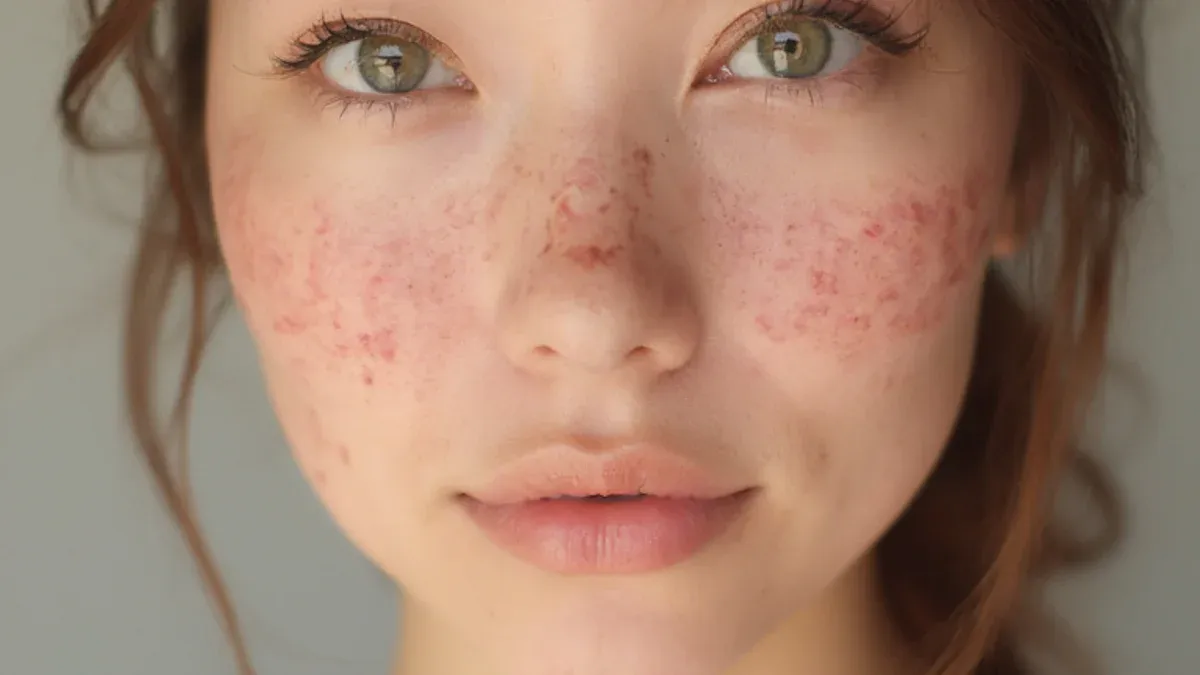
Defining Sensitive Skin
You might say your skin is “sensitive.” This means your skin reacts easily. It is not a skin type. It is a condition. Your skin’s protective barrier may be weak. This lets bad things in. Moisture can also escape. You might feel uncomfortable. Your skin can feel tight or sting. It can also look red or inflamed. This happens when your skin’s nerve endings are too active. They send irritation signals easily.
Common Triggers and Symptoms
Many things can make your sensitive skin react. You should know these common triggers.
- Environmental Factors: Weather changes, like cold winds or strong sun, cause problems. Air pollution can also irritate your skin.
- Skincare Products: Some ingredients in moisturisers, cleansers, or make-up can be bad. Fragrances, dyes, and harsh chemicals are often the cause.
- Diet: Some foods or drinks might cause a reaction. Spicy foods or alcohol are common examples.
- Stress: How you feel affects your skin. High stress can make your skin react more.
- Hormonal Changes: Changes during your period or pregnancy can make skin more sensitive.
When your skin reacts, you might see several symptoms. These include:
- Redness: Your skin can look flushed or blotchy.
- Itching or Stinging: You might feel uncomfortable on your face.
- Dryness or Flakiness: Your skin may get tight and peel.
- Bumps or Rashes: Small red bumps or a mild rash can show up.
- Burning Sensation: Sometimes, your skin feels hot or burns.
Knowing these triggers and symptoms helps you manage your sensitive skin. You can then pick products and habits. These will keep your skin calm.
Beneficial Ingredients
You want a moisturiser for your sensitive skin. Some ingredients work well. They hydrate, protect, and calm skin. Look for these helpful things.
Hydrating Humectants
Humectants pull water. They draw moisture from the air. This hydrates your skin. It makes it plump. Your skin feels less tight. It feels less dry.
- Glycerin: This is a common humectant. It is gentle. It helps skin hold water.
- Hyaluronic Acid: Your skin has this naturally. It holds much water. It makes skin smooth. It makes it soft.
- Sodium PCA: This is also natural in skin. It keeps skin moist.
- Urea: This hydrates your skin. It also removes dead skin cells. It does this gently.
Tip: Humectants work best. Apply them to damp skin. This gives them more water. They can then draw it in.
Barrier-Supporting Emollients
Emollients fill skin cell gaps. They are like smooth cement. They make skin feel soft. They make it smooth. They also fix your skin’s barrier. A strong barrier keeps bad things out. It keeps moisture in.
- Ceramides: These are fats. They are in your skin. They are key for a healthy barrier. They help skin stay strong. They help it stay protected.
- Fatty Acids: These build skin oils. They keep skin supple. Linoleic acid is one. Oleic acid is another.
- Cholesterol: This is another skin fat. It works with ceramides. It works with fatty acids. It rebuilds your barrier.
- Squalane: This is a stable oil. It is like your skin’s oils. It moisturises. It does not feel heavy.
- Oils (e.g., Jojoba Oil, Sunflower Seed Oil): These are plant oils. They act like skin’s natural sebum. They give nourishment. They give softness.
Protective Occlusives
Occlusives seal your skin. They make a protective layer. This layer stops water. It stops water leaving your skin. They prevent moisture loss well. This helps very dry skin. It helps damaged skin.
- Petrolatum (Petroleum Jelly): This is a good occlusive. It makes a strong barrier. It does not clog pores.
- Mineral Oil: This is a gentle occlusive. It forms a film. It locks in moisture.
- Dimethicone: This is silicone-based. It makes a smooth barrier. It is breathable. It feels light on skin.
- Lanolin: This is a natural wax. It comes from sheep’s wool. It is a strong occlusive. Some people react to it. Test it first.
- Shea Butter: This natural butter has fatty acids. It is an emollient. It is also a mild occlusive.
Soothing and Calming Agents
Sensitive skin often feels sore. It can look red. Soothing ingredients help this. They calm skin. They reduce inflammation.
- Aloe Vera: This plant extract is known for soothing. It calms sore skin. It gives light hydration.
- Allantoin: This helps heal skin. It soothes it. It reduces redness. It reduces irritation.
- Bisabolol: This is from chamomile. It reduces inflammation. It calms sensitive skin.
- Niacinamide (Vitamin B3): This vitamin strengthens your barrier. It reduces redness. It reduces inflammation. It makes skin tone better.
- Oat Extract (Colloidal Oatmeal): This is good for sensitive skin. It stops itching. It stops irritation. It makes a protective barrier.
- Centella Asiatica (Cica): This plant extract heals. It calms inflammation. It helps fix your skin.
Ingredients to Avoid
You know what helps your sensitive skin. It is key to know what harms it. Many things can cause reactions. They can make skin red. They can make it irritated. Learn to spot these on labels.
Common Irritants
Many things can upset your sensitive skin. Watch out for these. They cause redness or stinging. They cause dryness.
- Fragrance (Parfum): This is a big problem. Makers use many chemicals. They make scents. These can cause allergies. They can irritate your skin. Pick “fragrance-free” items. Do not mix this with “unscented”. Unscented items may hide smells.
- Alcohol (Ethanol, Isopropyl Alcohol): You find these in toners. They dry skin fast. But they strip natural oils. This hurts your skin barrier. It causes dryness and irritation. Look for “alcohol-free”. Fatty alcohols are different. They are good for skin.
- Dyes/Colourants: These add colour. They do not help your skin. They can cause irritation. They can cause allergies. Your skin does not need them.
- Sulphates (Sodium Lauryl Sulphate, Sodium Laureth Sulphate): These clean harshly. They make foam. They can strip your skin. It feels tight and dry. They are in cleansers.
- Essential Oils: Many think these are safe. But they are strong. They can irritate sensitive skin. Peppermint and lavender are examples. They can cause skin rashes.
💡 Tip: Always check the list. Do not trust claims alone. A “natural” product can still irritate.
Harsh Preservatives
Preservatives stop germs. They keep products safe. Some are too strong. They can cause reactions.
- Parabens (Methylparaben, Propylparaben, Butylparaben): These are common. Some worry about them. They can irritate some people. Many brands offer paraben-free.
- Formaldehyde-Releasing Preservatives: These release formaldehyde. This is an allergen. Quaternium-15 is an example. They can cause skin rashes.
- Methylisothiazolinone (MI) and Methylchloroisothiazolinone (MCI): These are strong. They work well. But they cause many allergies. Many firms removed them.
Choose products with gentler systems. Phenoxyethanol is one. Or use milder ones.
Potential Problematic Extracts
“Natural” does not mean “gentle”. Many plant extracts are active. They help some skin. They irritate others.
- Witch Hazel: This is popular. It cuts oil. But it has tannins. These dry and irritate skin. It can cause redness.
- Citrus Extracts (Lemon, Orange, Bergamot): These are in brightening items. They react with sun. They can burn skin. They make skin more sun-sensitive.
- Strong Botanical Oils: Some oils are potent. Tea tree oil is one. They can irritate a lot. They can cause allergies.
- Exfoliating Plant Extracts: Fruit enzymes can be too strong. They over-exfoliate. This harms your skin barrier. It causes redness. It causes sensitivity.
Everyone’s skin is unique. What bothers one may not bother another. Always listen to your skin. See how it reacts to new items.
Decoding Product Labels
Decoding Label Claims
You see many claims on product labels. These claims can confuse you. Words like “hypoallergenic” or “dermatologist-tested” sound good. They do not always mean a product suits your sensitive skin. “Hypoallergenic” means fewer common allergens are present. It does not guarantee no reaction for you. “Dermatologist-tested” means a doctor looked at it. It does not mean it works for everyone. You must look past these marketing words. They aim to make you buy. Focus on the actual ingredients instead.
The Importance of Ingredient Lists
You must read the ingredient list. This list tells you what is truly in the product. Ingredients appear in order of amount. The first few ingredients are the most abundant. You can find beneficial ingredients here. You can also spot ingredients to avoid. Look for humectants, emollients, and occlusives. Avoid fragrances, harsh alcohols, and certain preservatives. This list is your best tool. It helps you make smart choices.
The Golden Rule of Patch Testing
You must always patch test new products. This is very important for sensitive skin. Apply a small amount of the product. Put it on a hidden skin area. Your inner forearm or behind your ear works well. Wait 24 to 48 hours. Watch for any redness, itching, or irritation. If you see a reaction, do not use the product on your face. This simple step saves your skin from a full-face breakout. It helps you find safe products.
💡 Tip: Keep a record of your patch tests. Note down products and reactions. This helps you learn what your skin likes.
How to Apply
Gentle Ways to Apply
You must put on your moisturiser gently. Your sensitive skin needs a soft touch. Do not rub or pull hard. This can make your skin sore. Use your fingertips instead. Gently tap the product on your face. You can also use light, upward strokes. This helps the product soak in. It also stops stressing your skin. Always make sure your hands are clean. This stops dirt or germs spreading. Think of it as a calming habit. Your skin will like the gentle way.
Note: ACM Novophane chronic Lotion against chronic hair loss, 100ml is applied to the scalp to help strengthen hair follicles and reduce hair loss.
How Often to Moisturise
You should moisturise your face often. Twice a day is usually best. Put it on in the morning. Do this after you clean your face. Put it on again in the evening. This is after your night routine. Your skin needs water all the time. This helps keep its barrier strong. You might need more if your skin is very dry. Pay attention to your skin. Change how often you use it. For example, use a bit more in cold weather. ❄️
Putting Products on in Order
You might use many products. Putting them on right is key. Always put on the thinnest first. Then put on the thickest. This helps them soak in well. Serums usually go first. They are light. Then put on your moisturiser. This locks in the good stuff. If you use a face oil, put it on last. Oils make a protective layer. They keep everything underneath. Let each product soak in a bit. This stops them clumping. It also makes them work best.
Tip: Always put moisturiser on slightly damp skin. This helps trap extra water. It makes the product work even better.
Finding Your Perfect Moisturiser
You need to know what your skin needs. This helps you find your perfect moisturiser. There are many products. Choose ones without fragrance. Choose ones that are hypoallergenic. These are less likely to cause problems.

Lightweight Options for Oily Skin
Your skin might be sensitive. It might also be oily. You need a light moisturiser. It should not block your pores. Find a non-comedogenic face cream. These hydrate your skin. They do not feel heavy. They often have humectants. Hyaluronic acid is one. La Roche-Posay Toleriane Double Repair Face Moisturizer SPF 30 is good. It hydrates lightly. It also protects from the sun. Simple Kind to Skin Replenishing Moisturizer also hydrates gently. It feels light.
Rich Formulations for Dry Skin
Your sensitive skin might be dry. You need a thicker moisturiser. These give more hydration. They often have emollients. They also have occlusives. These keep moisture in your skin. CeraVe Moisturising Cream is well-liked. It is gentle. It is good for skin with eczema. La Roche Posay Lipikar AP+M Triple Repair Moisturizing Cream is another choice. It gives deep hydration. This is for very dry skin.
Barrier-Repairing Formulations
Your skin barrier needs fixing. Look for moisturisers that make it stronger. These products often have ceramides. They also have fatty acids. They help rebuild your skin’s protection. Vanicream Daily Facial Moisturizer is a favourite of skin doctors. It has good humectants. BIODERMA Sensibio AR is a calming face cream. It helps skin that gets red. This includes rosacea. SkinCeuticals Triple Lipid Restore is a high-end choice. It helps bring back important skin fats. You can also find products with aloe. Aloe calms skin. It soothes irritated skin. Secalia DS is a special product. It helps fix the skin barrier. It gives lots of hydration. A strong barrier also helps your Natural Blood Circulation Support. This makes your skin look healthy. Finding your perfect moisturizer takes time. It is worth doing.
Finding your best moisturiser is personal. It takes time. Watch your skin closely. Remember these main points. Choose gentle ingredients. They help your skin barrier. Always avoid things that irritate. Patch test new products. Listen to your skin. Be happy with small wins. Your skin will be calmer. It will be healthier. You can feel comfortable. Your skin can be hydrated. You will find your perfect moisturizer.