Coping with rosacea can be quite challenging. Your skin is particularly sensitive to the sun, and you also contend with noticeable red patches. Tinted Sunscreen for Rosacea offers a dual benefit: it provides essential sun protection whilst simultaneously improving the appearance of your skin by concealing redness. This article will elucidate the advantages of using tinted sunscreen for rosacea and guide you on what to seek out.
Understanding Rosacea and Sun Sensitivity
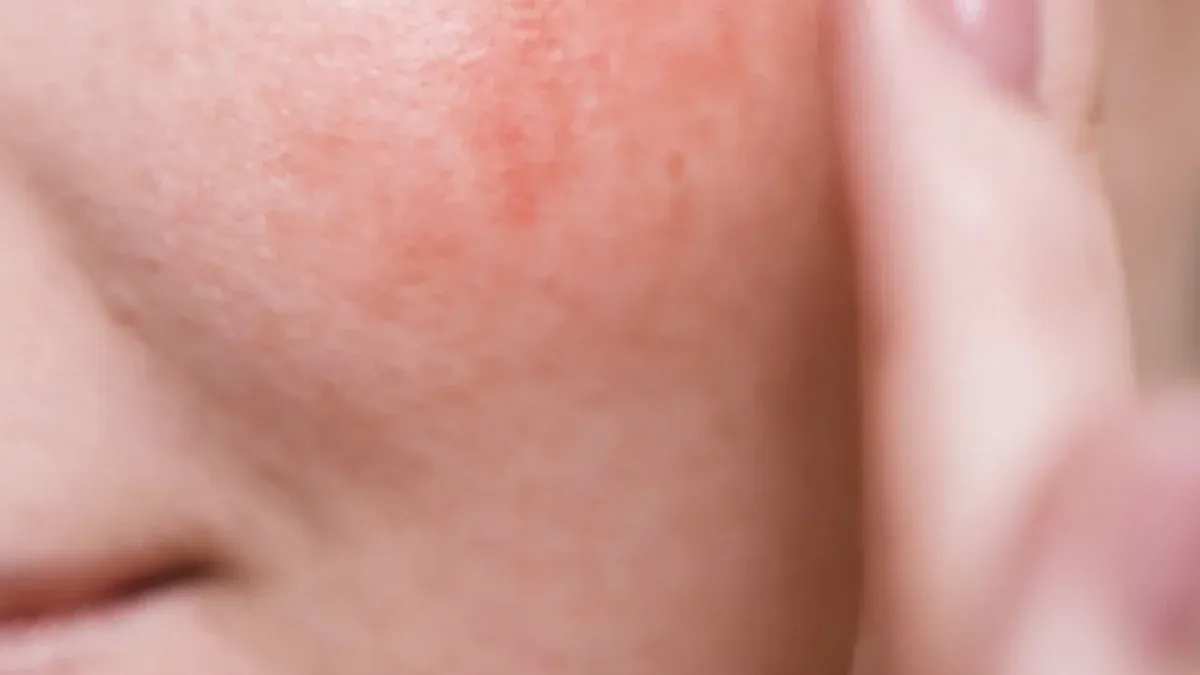
What is Rosacea
Rosacea is a common skin problem. It mostly affects your face. You might see lasting redness. This is often on your nose and cheeks. Sometimes, your face suddenly goes red. This is called flushing. Small red spots might also show up. They can look like acne. You might even see tiny blood vessels. Many things can make rosacea worse. These include sun, spicy foods, hot drinks, alcohol, stress, and very hot or cold weather. Knowing your triggers helps you control it.
Why Sun Protection is Crucial
Sun protection is very important. This is true if you have rosacea. UV rays from the sun cause this condition to flare. When your skin is in the sun, redness can get much worse. You might flush more often. These flushes can be stronger. Sun also causes more flare-ups. Your skin can feel sore. It can look inflamed. So, protecting your skin from the sun is a must. It helps manage rosacea. Using a Tinted Sunscreen for Rosacea every day helps protect your skin. It stops these harmful effects. It keeps your skin calmer.
Tinted Sunscreen for Rosacea: Two Good Things
If you have rosacea, you need good skin products. A tinted sunscreen does more than just block the sun. It gives you two main benefits. You get them in one simple step. This makes your daily skincare easier. It also works better.
Strong Sun Protection
Your skin needs strong sun defence. Tinted sunscreens often have mineral filters. These are zinc oxide and titanium dioxide. They sit on your skin’s surface. They make a physical shield. This shield bounces bad UV rays off your face. Mineral sunscreens are very mild. They do not soak into your skin. Chemical sunscreens do this. So, mineral ones are less likely to irritate. You get high SPF protection. It does not upset your sensitive skin. For example, Ruboril Expert SPF50+ gives this strong, mild protection.

Hides Redness Right Away
Rosacea often causes visible redness. A tinted sunscreen helps with this fast. The tint has special colours. These fix your skin tone. It helps to balance out red spots. This makes your skin look more even. Your skin will look smoother quickly. This even look means you need less heavy rosacea makeup. Many people find a good Tinted Sunscreen for Rosacea covers enough. You might not need extra foundation. You might not need concealer. This means fewer products on your skin. Fewer products can mean less irritation.
Less Irritation
Sensitive skin reacts easily to many things. Regular chemical sunscreens can sometimes sting. They can also cause redness. Many foundations also have things that bother rosacea skin. Tinted sunscreens, especially mineral ones, have fewer harsh chemicals. They are a milder choice for daily use. You use one product for sun protection and coverage. This means your skin meets fewer different ingredients. This can make your skin calmer. Also, a good tinted sunscreen can help stop dark spots. It can also manage them. These can sometimes come with rosacea. You help your skin heal. It stays balanced.
Note: S-FEMME x30 Sachets provides a blend of nutrients and herbs to help balance hormones and support women’s well-being.
Key Features for Rosacea-Prone Skin
Picking the right skincare is key. It is very important for your rosacea. Look for certain things in tinted sunscreen. These help your skin. They keep it calm.
Mineral Filters: Zinc Oxide and Titanium Dioxide
Always pick mineral sunscreens. They have zinc oxide. They also have titanium dioxide. They sit on your skin. They make a shield. This shield reflects bad UV rays. It keeps them off your face. Mineral filters are gentle. They do not soak in. This means less irritation. They will not clog pores. Clogged pores cause spots. Zinc oxide calms skin. It lessens redness. It stops irritation.
Non-Comedogenic and Hypoallergenic Formulas
You need products that do not worsen rosacea. Find sunscreens that say “non-comedogenic”. This means they will not block pores. Blocked pores cause spots. They cause flare-ups. Also, pick “hypoallergenic” ones. These have fewer things. They are less likely to cause allergies. Your skin is sensitive. These labels help you. They help avoid bad things.
Fragrance-Free and Alcohol-Free
Many products have smells. They also have alcohol. These can upset sensitive skin. They can cause rosacea flare-ups. Always choose “fragrance-free” products. Pick “alcohol-free” ones too. This lowers irritation risk. It keeps skin calm. It keeps it comfy.
Soothing Ingredients
Some tinted sunscreens do more. They protect from sun. They add tint. They also soothe your skin. Look for niacinamide. It lessens redness. It helps your skin barrier. Green tea extract is good. It has antioxidants. It calms swelling. Allantoin also soothes skin. It protects it. These things reduce irritation. They help with rosacea. Some products, like Ruboril Expert SPF50+, target redness. They make skin stronger.
Finding the Right Tint Match
The tint helps your look. You need a shade that matches. It should blend with your skin. This looks natural. It avoids a mask look. Test shades on your jawline. This finds the best match. Green tints are great for rosacea. Green cancels red. This makes redness less clear. A natural tint gives even cover. It suits all skin. Even very sensitive skin. You could try tinted moisturiser with SPF. This works if you like tinted day cream. It gives moisture. It gives sun protection. It gives light cover. All in one. A good Tinted Sunscreen for Rosacea can replace foundation. It gives healthy skin. It gives an even look. No heavy rosacea makeup needed.
Incorporating Tinted Sunscreen into Your Routine
You have found the right Tinted Sunscreen for Rosacea. Now you need to know how to use it. Proper application helps your skin. It gives you the best results.

Application Tips for Sensitive Skin
Apply your tinted sunscreen gently. Start with a clean face. You can use a mild cleanser. Then, pat your skin dry. Take a small amount of product. Warm it between your fingertips. This helps it spread smoothly. Dot it onto your face. Blend it outwards. Use gentle, upward strokes. Avoid rubbing too hard. This can irritate your skin. Ensure you cover all exposed areas. Do not forget your neck and ears. This method provides even, unified coverage. It protects your skin without causing redness.
Reapplication Throughout the Day
Sunscreen does not last all day. You need to reapply it. This is especially true if you have rosacea. Reapply every two hours. Do this more often if you sweat. Reapply after swimming too. You can gently pat more Tinted Sunscreen for Rosacea over your existing layer. This keeps your protection strong. It also maintains your redness camouflage. This step is vital for preventing flare-ups.
Complementary Skincare Products
Your tinted sunscreen works well with other products. Use a gentle cleanser. Follow with a soothing moisturiser. Choose products designed for sensitive skin. Look for “fragrance-free” and “alcohol-free” labels. These products support your skin barrier. They reduce irritation. You can use specific rosacea treatments. Apply these before your tinted sunscreen. For example, if you use Ruboril Expert SPF50+, you might use a calming serum first. This layered approach gives you full protection. It also helps manage your rosacea symptoms. You get effective sun protection. You also get a natural look without heavy rosacea makeup.
Tinted sunscreen helps your skin a lot. It protects you from the sun. It also makes redness go away fast. It is gentle on your skin. This keeps your skin calm. So, tinted sunscreen is very useful. It helps your skin stay healthy. It also makes you feel better. You can control your rosacea more easily. Always talk to a skin doctor for help. They can tell you the best plan for your skin.