


You know how annoying lasting red spots are. A blemish can cause them, or something that irritates your skin. A long-term problem can also cause them. They often do not go away with normal treatments. This blog post gives five good ways to help. You can make these areas of localized redness less red. You can also control them. Here are useful ideas you can use right away.
1. Special Creams for Red Spots
Creams you put on your skin are the first step. They fight stubborn redness. You put these on your skin. They calm swelling. They make redness less visible.
Good Stuff for Redness
Some ingredients really fight redness. Azelaic Acid calms swelling. It also kills germs. Niacinamide is another strong ingredient. It calms swelling. It makes your skin barrier stronger. Niacinamide also soothes skin. Centella Asiatica, or Cica, helps skin heal. It makes redness go away. You can find these good ingredients in many products. Serums have lots of these ingredients. Creams give moisture. They also have active stuff. For example, Ruboril Expert Intense helps with redness. It works well on red spots.

How to Put it On
Putting on your cream correctly is key. You want it only on the red spot. This stops other skin from getting sore. Use a tiny bit of cream. Gently pat it on the red spot. This way is called spot treatment. It makes sure the cream works on the problem. This stops good skin from getting sore. Skin creams are a gentle way to handle red faces. Stronger creams from a doctor can help more. This is for redness that won’t go away.
2. Gentle Cleaning and Skin Protection
You need to keep your skin safe. This is true for sensitive spots. Gentle cleaning is important. Strong skin is also very important.
Picking the Best Cleanser
Your cleanser choice is key. Pick a mild cleanser. It should not have strong smells. It needs a balanced pH. Strong cleansers can make redness worse. They take away your skin’s natural oils. This hurts your skin’s protective layer. Always pick gentle items. They should not have scents. Hypoallergenic choices are best. These items lessen irritation. They help keep your skin calm.
Making Your Skin Barrier Stronger
A strong skin barrier is vital. It helps make redness less. Moisturisers are very important. Find moisturisers with ceramides. Ceramides are like glue for skin cells. Hyaluronic acid also helps. It pulls water into your skin. Fatty acids are another key part. They help fix your skin. These parts work together. They guard your skin’s natural barrier. Keep your skin moist. Use very hydrating items. This helps fix a weak skin barrier. A healthy barrier means less localized redness.
3. Anti-Inflammatory Lifestyle Adjustments
You can do more than use skincare. Your daily habits affect your skin. Changing your lifestyle helps. It lessens stubborn localized redness.
Dietary Considerations
What you eat matters. It can make redness better. It can make it worse. Some foods cause swelling. This shows on your skin. Eat foods that fight swelling. These have omega-3s. Oily fish has them. Flaxseeds have them. Bright fruits and vegetables have antioxidants. They fight body damage.
💡 Tip: Write down what you eat. This helps find foods. They might cause your redness.
Avoid common triggers. Spicy foods can make some people flush. Alcohol can make redness worse. Watch your skin. See how it reacts. This is after you eat things.
Stress and Sleep Management
Stress affects your skin. Bad sleep affects it too. Stress makes your body release chemicals. These chemicals increase swelling. This makes localized redness show more. Not enough sleep stops skin repair.
You can lower stress. Try meditation. Do deep breathing. Exercise helps manage stress. A short walk helps.
Better sleep is key. Aim for 7-9 hours. Make a relaxing bedtime. Make your room dark. Keep it cool. Do not use screens before bed. Good sleep heals skin. It calms it down. This helps reduce redness.
Note: CLA + Green Tea + L-Carnitine combines compounds that work synergistically to support metabolism and fat oxidation.
4. Sun Protection
Sun protection is a crucial step. You must not skip it. It protects your skin. It helps manage stubborn redness.
UV Impact on Redness
Ultraviolet (UV) light from the sun harms your skin. It makes existing redness worse. UV exposure triggers new inflammation. This causes more redness. Sun damage weakens your skin. It makes it more reactive. This means your skin gets red easily. You need sun protection all year round. Clouds do not block all UV rays. Even on cloudy days, UV light reaches your skin. Protecting your skin from the sun prevents further damage. It helps calm localized redness.
Sunscreen Selection and Use
Choosing the right sunscreen is important. Mineral sunscreens are best for sensitive skin. They contain zinc oxide or titanium dioxide. These ingredients sit on top of your skin. They block UV rays physically. Chemical sunscreens absorb UV rays. They can sometimes irritate sensitive skin. Always pick a broad-spectrum sunscreen. It should have an SPF of 30 or higher.
Apply sunscreen generously. Put it on all exposed skin. Do this every morning. Reapply it often. Reapply every two hours. Reapply more often if you sweat or swim. Make sun protection a daily habit. It keeps your skin calmer. It reduces the chance of new red spots.
5. Professional Treatments for Stubborn Redness
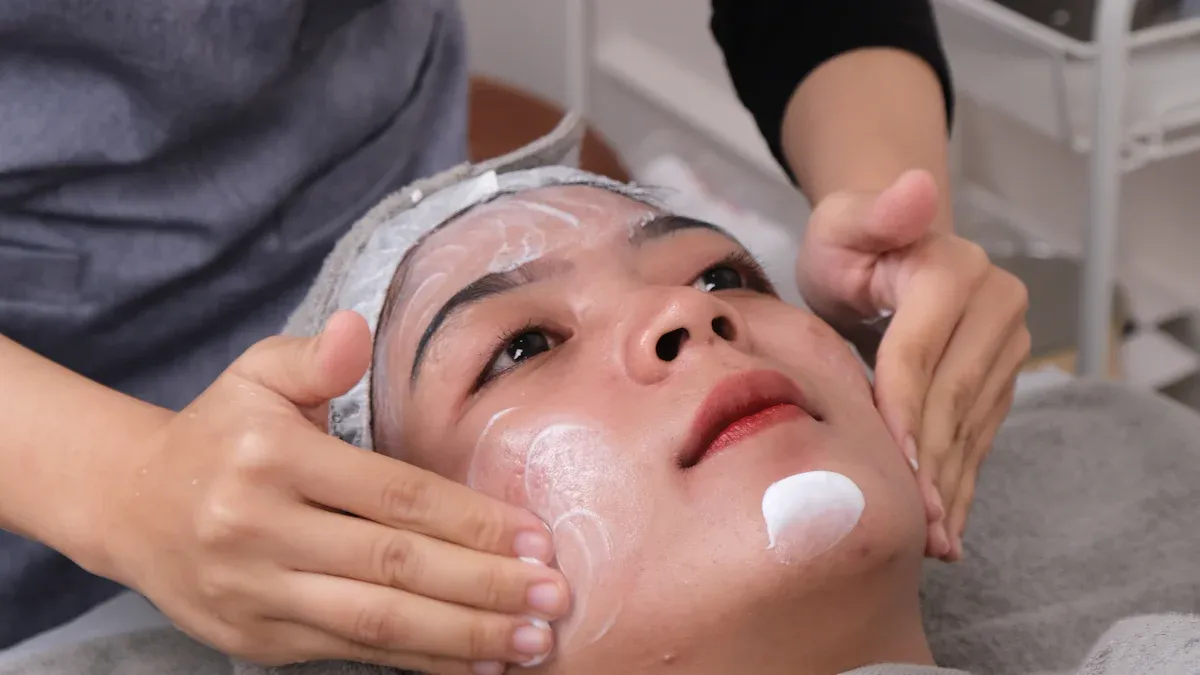
Sometimes, home remedies are not enough. You might need expert help. This is for very stubborn redness. These treatments are stronger.
Advanced Light and Laser Therapies
Special treatments can target redness. Intense Pulsed Light (IPL) therapy uses light. It targets blood vessels. These cause redness. V-Beam laser therapy uses a special light. It treats redness from blood vessels. This helps with rosacea. You might feel a mild snap. This is during treatment. Expect some redness. There might be swelling too. This is after treatment. These therapies reduce blood vessels. They make your skin tone better. Targeted red light therapy also helps. Devices like the Glotech™ Acne Wand give this. It works for stubborn spots. It helps with localized redness. This therapy calms swelling. It helps healing in certain areas.
Prescription Solutions
Your doctor can offer stronger choices. They might prescribe creams. Metronidazole and ivermectin creams treat rosacea redness. Topical brimonidine lessens face flushing. These are stronger than shop products. For worse or lasting cases, you might need pills. These can be antibiotics. Or other anti-swelling medicines. Some unusual treatments exist. Doctors can inject botulinum toxin. This goes under the skin. It helps with face flushing. This is when other treatments fail. Always see a skin doctor. They will check your skin. They will suggest the best plan for you.
Stopping stubborn red spots needs a full plan. You have learned five main ways. These include special skin creams. They also include gentle care. Changing how you live helps. Protecting from the sun is key. Doctors can also help. Always be steady and patient. You will see good changes. If redness stays or is bad, see a skin doctor. You can get calmer skin. It can have an even colour.


