Looking after combination skin is tricky; it feels like a constant balancing act. You have oily T-zones and dry patches, and sometimes your skin is sensitive too. This presents a problem: how do you hydrate your skin sufficiently without making it too oily, whilst also achieving Redness Control for Combination Skin? This guide offers helpful tips and product suggestions to assist you in attaining balanced, healthy skin.
Understanding Combination Skin
Defining Combination Skin
You have combination skin. This means different parts of your face act differently. Your forehead, nose, and chin are often oily. This area is called your T-zone. It has bigger pores. It makes more oil. But your cheeks and jawline might be dry. They can feel tight. They might even be sensitive. This mix makes skincare hard. You need a balanced way to care for your skin.
Why Redness Occurs
Your face can get red. This happens for many reasons. Dry parts of combination skin are often sensitive. This can cause redness. Strong products can irritate your skin. Things in the environment can also cause it. Sometimes, tiny blood vessels show. They are called broken capillaries. They make your skin look red. Inflammation also makes skin red. It makes your skin look flushed. It looks uneven. To control redness, you need to know these causes.
Hydration Dilemma
Hydrating combination skin is tricky. Oily areas need moisture. But heavy creams can make them greasy. They can cause spots. Dry areas need lots of moisture. This stops them from flaking. It stops discomfort. Using one product everywhere often causes issues. A thick moisturiser might block pores on your T-zone. A light gel might not be enough for dry cheeks. You need to hydrate each area well. Do this without upsetting other areas.
Strategic Hydration for Balanced Skin

You need to hydrate your combination skin carefully. This section shows you how to give your skin enough moisture. It will not make your oily areas worse. You will learn about product types, important ingredients, and how to apply them.
Layering Light Textures
Heavy creams can feel too much for your oily T-zone. They can block pores. Light textures work best for combination skin. You can layer these products. Start with the thinnest product. Then apply thicker ones. For example, use a hydrating toner first. Follow this with a serum. Finish with a lightweight moisturiser. A gel-cream for redness is a great choice. It feels light. It also calms your skin. This method gives your skin moisture without feeling greasy. It lets your skin breathe.
Key Hydrating Ingredients
Certain ingredients help your skin stay hydrated. They do this without causing problems. Look for these in your skincare products:
- Hyaluronic Acid: This ingredient pulls moisture from the air. It holds up to 1,000 times its weight in water. It keeps your skin plump. It does not feel heavy.
- Glycerin: Glycerin is another humectant. It draws water into your skin. It helps your skin feel soft. It is gentle for all skin types.
- Ceramides: These are fats naturally found in your skin. They help build your skin’s barrier. A strong barrier keeps moisture in. It keeps irritants out.
- Squalane: This is a light oil. Your skin already makes squalane. It mimics your skin’s natural oils. It hydrates without feeling oily. It does not block pores.
- Aloe Vera: Aloe vera is a plant extract. It soothes your skin. It also provides light hydration. It is perfect for sensitive or red areas.
These ingredients support a healthy moisture barrier. They will not clog your pores.
Targeted Application
Your face has different needs. Apply products where they are most needed.
- Oily Areas: Use less product on your T-zone. A small amount of gel or light lotion is enough.
- Dry Areas: Your cheeks and jawline might need more. Apply a slightly richer moisturiser here. You can also layer a hydrating serum under your moisturiser.
- Red Areas: Gently pat soothing ingredients onto red spots. Do not rub too hard.
This method ensures each part of your face gets the right care. You avoid over-moisturising oily spots. You give dry spots enough hydration.
Non-Comedogenic Formulations
The term “non-comedogenic” is important. It means a product will not block your pores. Blocked pores can lead to spots. This is especially true for oily areas of combination skin. Always choose products labelled “non-comedogenic”. This helps prevent breakouts. It keeps your skin clear. It ensures your hydration efforts do not cause new problems.
Tip: Always check product labels for “non-comedogenic”. This simple step can make a big difference for your combination skin.
Calming Redness: Effective Control for Combination Skin
You want to reduce redness and irritation. This section details specific ingredients and practices. They help you achieve effective Redness Control for Combination Skin.
Soothing Ingredients
Certain ingredients calm your skin. They reduce inflammation. Look for these in your skincare products:
- Niacinamide: This is a form of Vitamin B3. It strengthens your skin’s barrier. It reduces redness and inflammation. It also helps balance oil production.
- Centella Asiatica (Cica): This plant extract is very soothing. It helps heal your skin. It reduces irritation and redness.
- Green Tea Extract: Green tea contains antioxidants. These fight damage. They also have anti-inflammatory properties. This helps calm red skin.
- Aloe Vera: You know aloe vera for its cooling effect. It hydrates your skin. It also reduces redness and discomfort.
- Oatmeal: Oatmeal is a natural wonder. It calms irritation. It absorbs excess oil. It also offers gentle exfoliation. You can find it in cleansers or masks.
Avoiding Irritants
You must identify and avoid things. These things trigger redness. Many common ingredients can irritate sensitive combination skin.
- Fragrances: Artificial scents often cause irritation. Choose fragrance-free products.
- Alcohol: Drying alcohols strip your skin. They make redness worse. Check ingredient lists for alcohol.
- Harsh Chemicals: Strong acids or aggressive exfoliants can damage your skin barrier. Opt for gentler alternatives.
Tip: Always patch-test new products. Apply a small amount to a hidden area. Wait 24 hours. This checks for any reaction.
Gentle Cleansing
Your cleansing routine impacts redness. Harsh cleansing can strip your skin. This makes redness worse.
- Use a Mild Cleanser: Choose a gentle, pH-balanced cleanser. It should not foam excessively.
- Lukewarm Water: Hot water can irritate your skin. Use lukewarm water for washing your face.
- Pat Dry: Do not rub your face with a towel. Gently pat your skin dry. This avoids friction and irritation.
Sun Protection
Sun exposure is a major cause of redness. It can worsen existing irritation. Protecting your skin from the sun is crucial for Redness Control for Combination Skin.
- Daily SPF: Apply a broad-spectrum sunscreen every morning. Choose one with an SPF of 30 or higher.
- Mineral Sunscreens: Zinc oxide and titanium dioxide are mineral filters. They are often gentler on sensitive skin. They create a physical barrier.
- Reapply: Reapply sunscreen every two hours. Do this more often if you sweat or swim.
These practices help you manage and prevent redness. They keep your combination skin calm and healthy.
Building Your Daily Skincare Routine
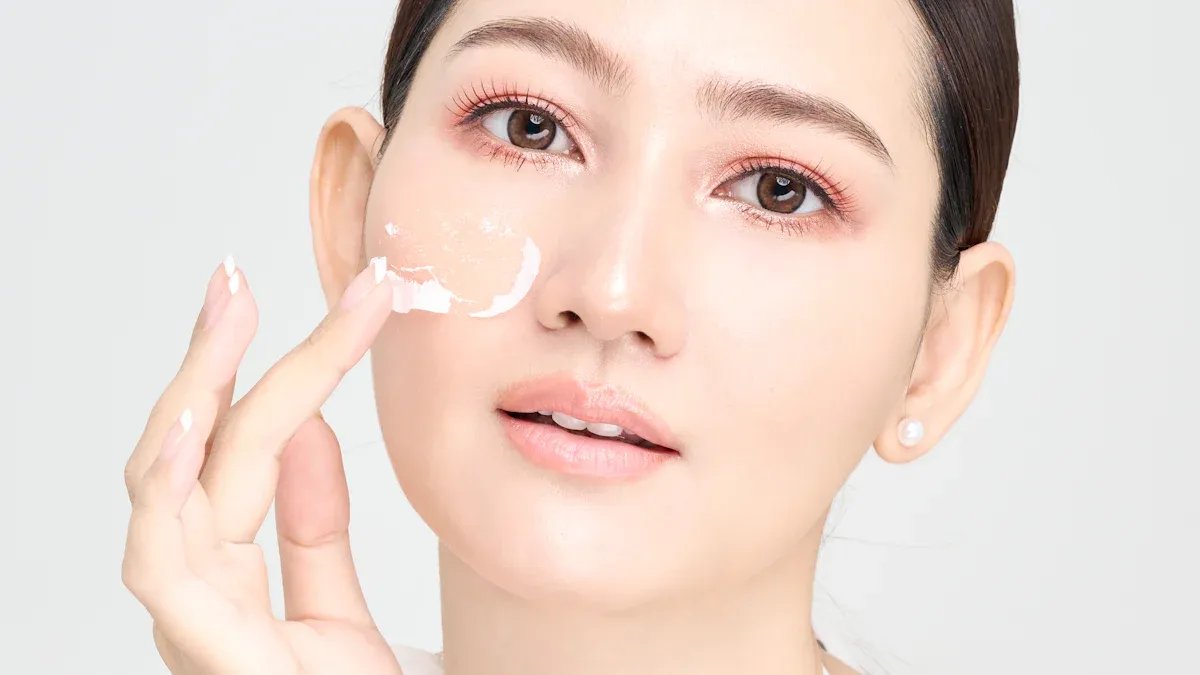
You need a consistent routine for your combination skin. This helps manage both oily and dry areas. It also helps with Redness Control for Combination Skin. Here is a structured plan.
Morning Routine
Start your day with gentle steps. This prepares your skin.
- Cleanse: Use a mild, pH-balanced cleanser. It removes overnight impurities. It does not strip your skin.
- Tone: Apply a hydrating toner. You can use your fingers or a cotton pad. This balances your skin’s pH.
- Serum: Apply a lightweight serum. Choose one with antioxidants. Vitamin C is a good choice. It protects your skin from environmental damage.
- Moisturise: Use a non-comedogenic moisturiser. Pick a light gel or lotion. Apply it to your whole face. You can use a bit more on dry areas.
- Sun Protection: Finish with a broad-spectrum SPF 30+ sunscreen. This protects your skin from UV rays. Sun protection is vital for preventing redness.
Evening Routine
Your evening routine focuses on repair. It removes the day’s build-up.
- Double Cleanse: First, use an oil-based cleanser. This removes makeup and sunscreen. Second, use your mild, pH-balanced cleanser. This cleans your skin thoroughly.
- Treat: Apply targeted treatments. You might use a niacinamide serum for redness. Or use a hyaluronic acid serum for extra hydration.
- Moisturise: Apply a slightly richer moisturiser. This helps your skin repair overnight. Ensure it is non-comedogenic.
Weekly Treatments
Add these steps once or twice a week. They boost your skin’s health.
- Exfoliate: Use a gentle chemical exfoliant. Look for AHAs or BHAs. They remove dead skin cells. This improves skin texture. Avoid harsh physical scrubs.
- Mask: Apply a calming or hydrating mask. A clay mask can help oily areas. A hydrating mask can soothe dry patches. You can even multi-mask. Apply different masks to different areas.
✨ Tip: Listen to your skin. Adjust your routine as needed. Your skin’s needs can change with seasons or stress.
Product Recommendations for Combination Skin
You need the right products. These help your combination skin. They help with hydration. They also help with redness.
Cleansers
Pick gentle cleansers. They clean your skin. They do not strip it. Look for pH-balanced formulas. Your skin should not feel tight. A creamy cleanser is good for dry areas. A foaming gel works for oily parts. You can use different cleansers.
Hydrating Serums
Serums add more moisture. They do not feel heavy. Look for serums with hyaluronic acid. This pulls water into your skin. Niacinamide serums also help. They reduce redness. They balance oil. Use a few drops after cleansing.
Moisturisers
Your moisturiser must balance hydration. It must also control oil.
- Lightweight Gels: Neutrogena Hydro Boost Gel Cream is great. It hydrates. It is not greasy.
- Barrier Support: CeraVe and Cetaphil have moisturisers. They make your skin’s barrier stronger. Vanicream is also a good choice. These do not irritate.
- Soothing Options: Proactiv Green Tea Moisturizer is light. It hydrates. It soothes your skin. Skinbetter also has balanced formulas.
Note: Oxibio Antioxidant Tablets help to protect the body’s cells from oxidative stress caused by free radicals.
Redness Treatments
You can calm redness. Use specific products.
- Targeted Creams: Clinique Daily Relief Cream soothes irritation. It lessens visible redness.
- Specialised Formulas: Try a gel-cream for redness. Products like Ruboril Expert M are for sensitive skin. They target redness well. These are good for normal to mixed skin care.
- Antioxidant Kits: Some kits have antioxidants. They have concentrated vitamins C and E. These protect your skin.

Sunscreens
Sun protection is very important. It stops redness and damage.
- Broad-Spectrum: Always choose an SPF 30 or higher. It must protect against UVA and UVB rays.
- Gentle Formulas: Mineral sunscreens with zinc oxide are often best. They are less likely to irritate your skin.
- Tinted Options: Clinique Daily Protective Base Broad Spectrum SPF 15 corrects redness. It also protects from the sun.
You need to look after your combination skin. This needs a careful plan. You must hydrate your skin. You must also calm any redness. Know what your skin needs. Pick the right ingredients. Be gentle with your skin. Do this every day. If you are patient, your skin will be calm. It will be balanced. It will be healthy. Your skin will look good. It will feel good too.